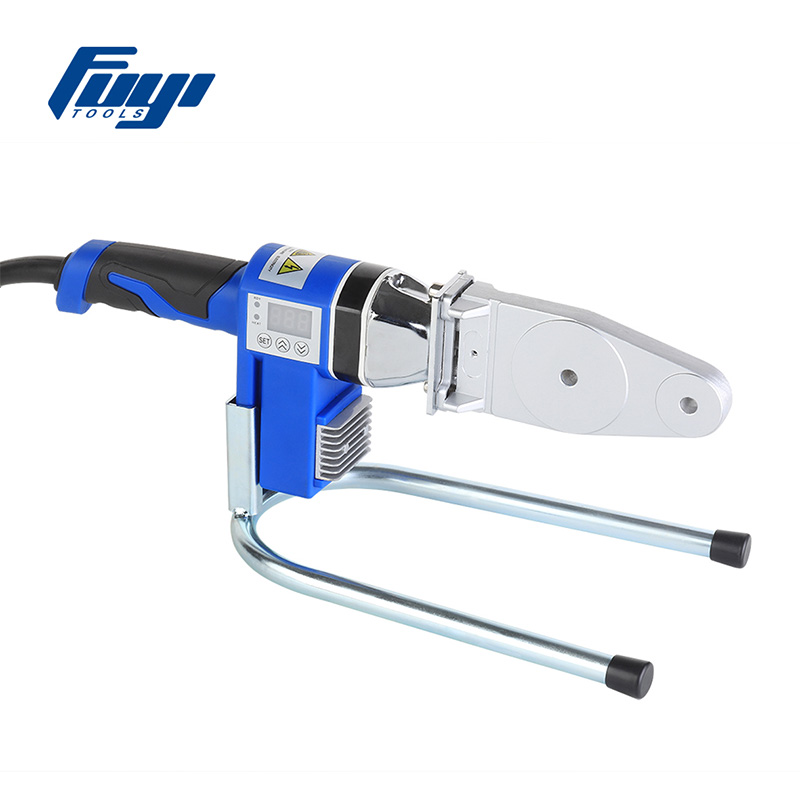
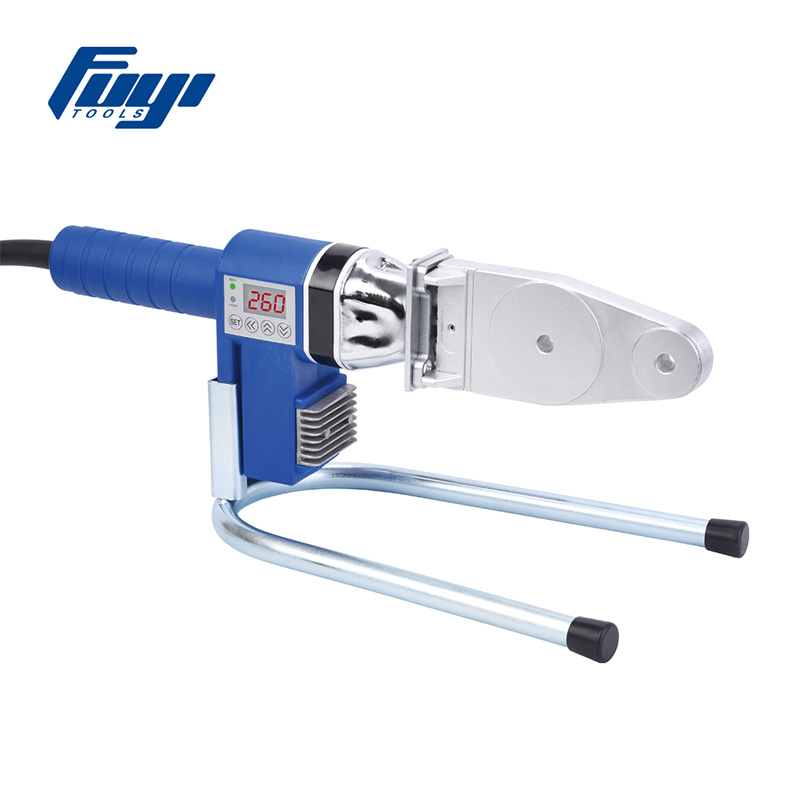
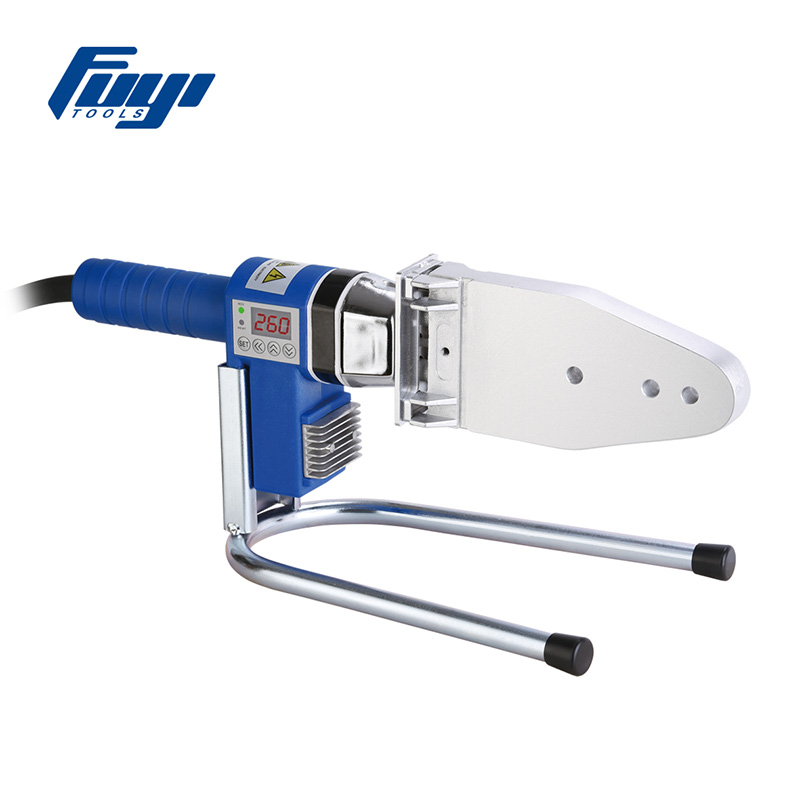
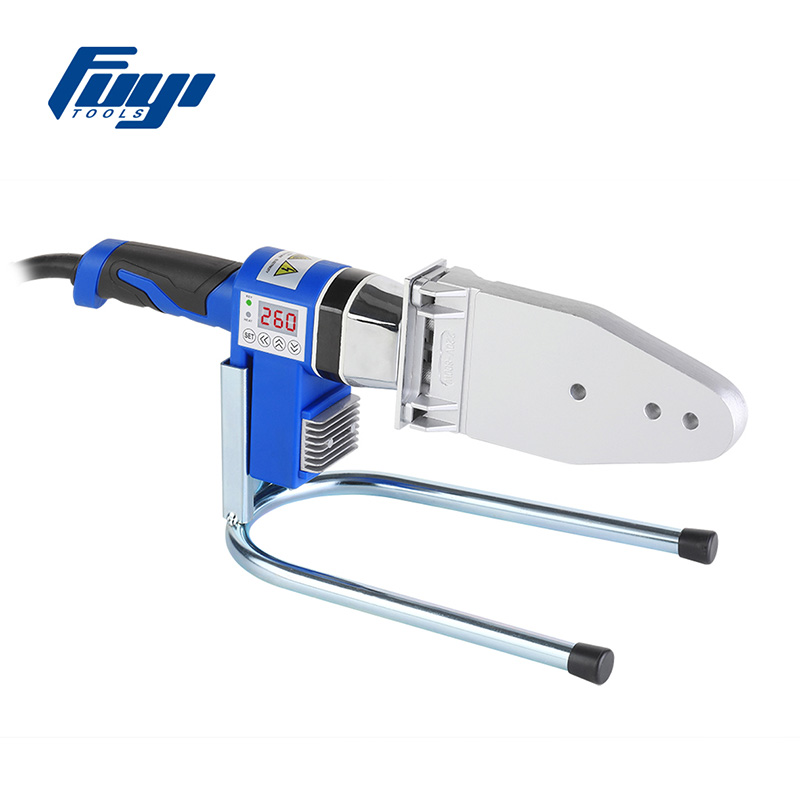
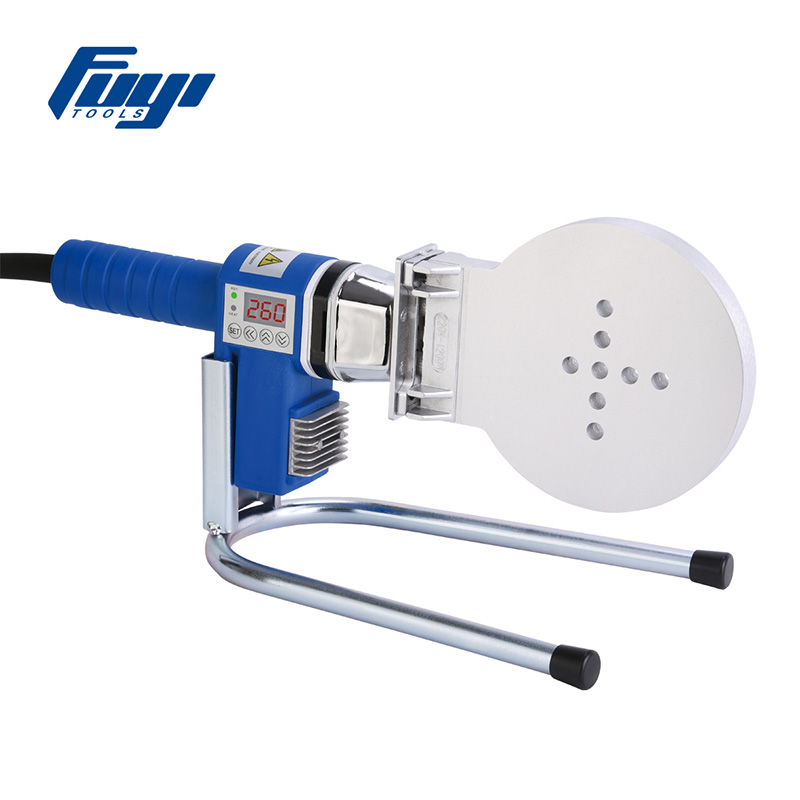
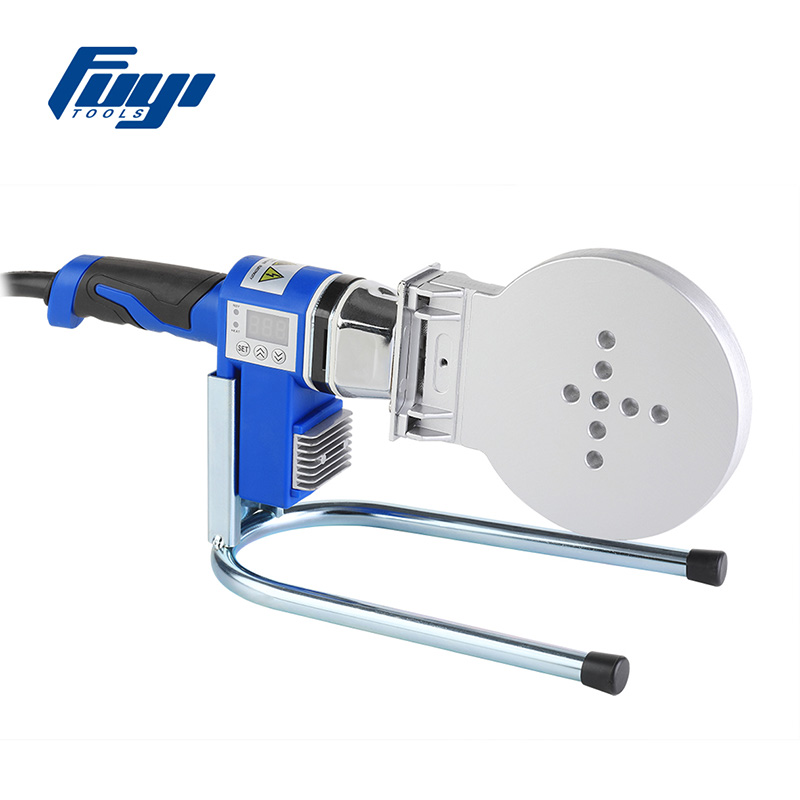
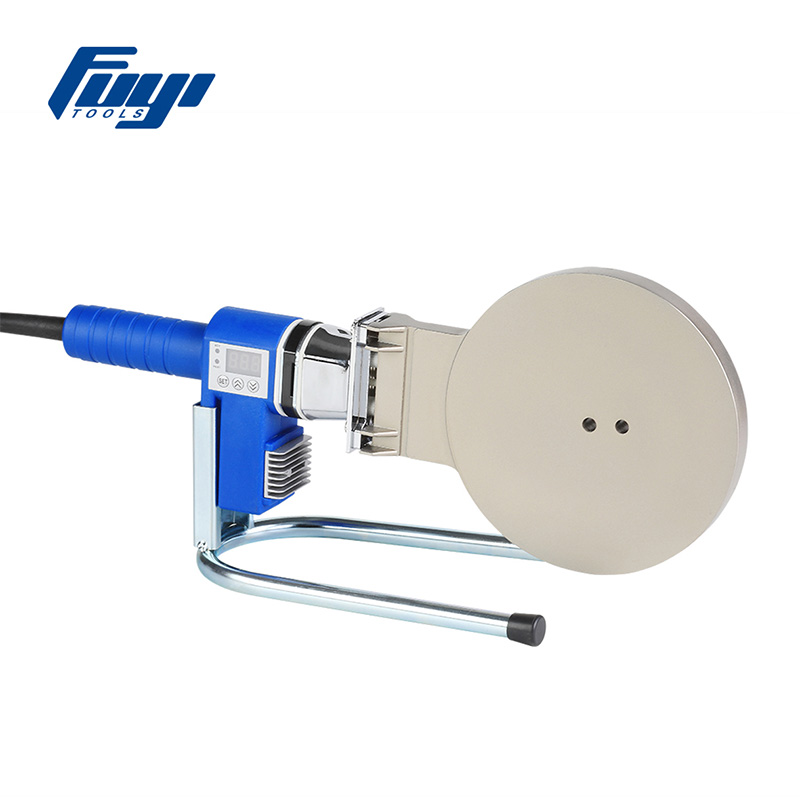
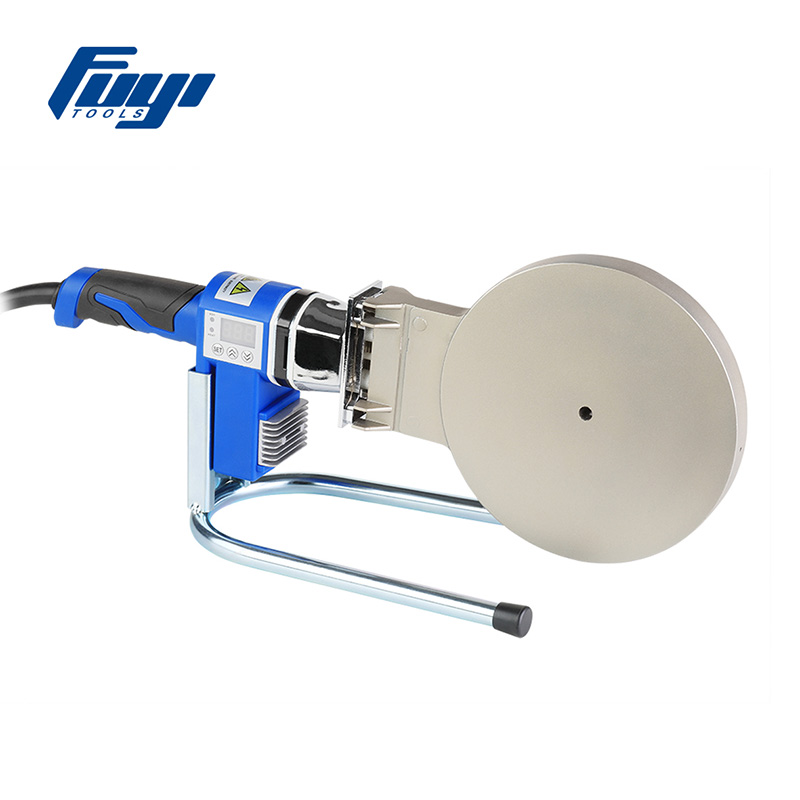
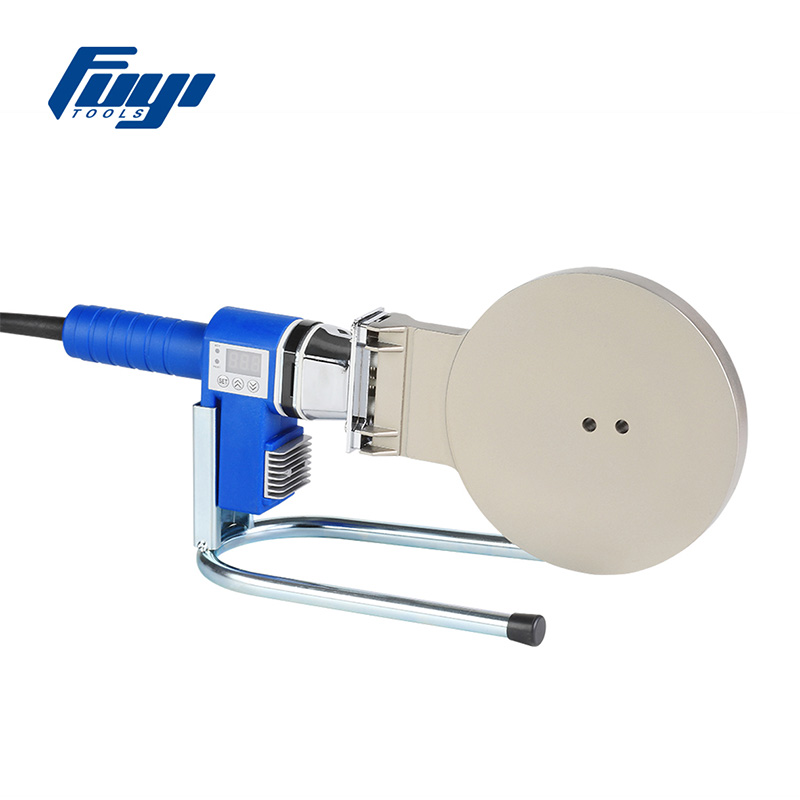
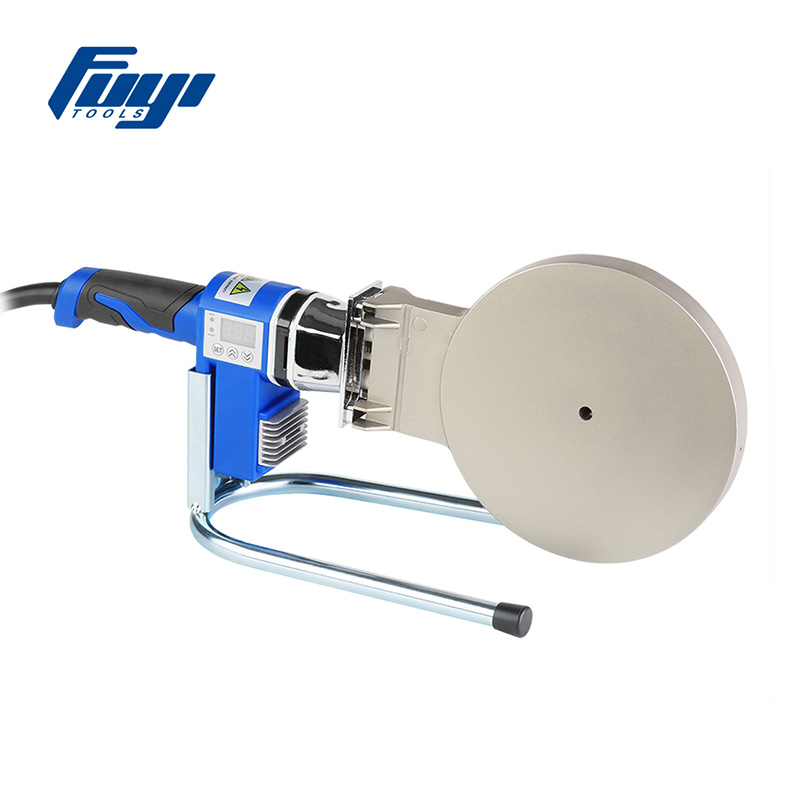
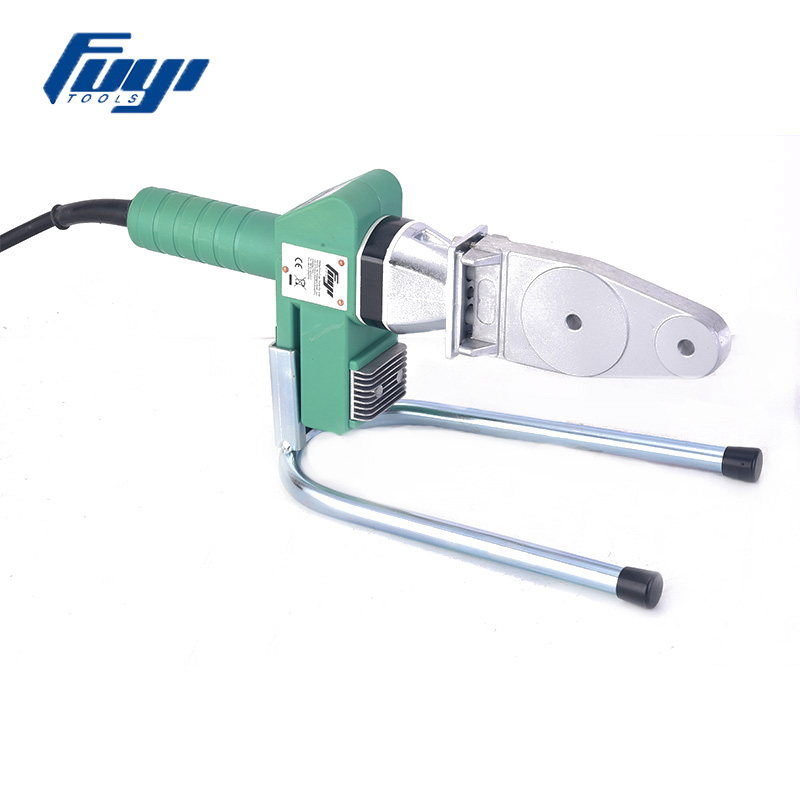
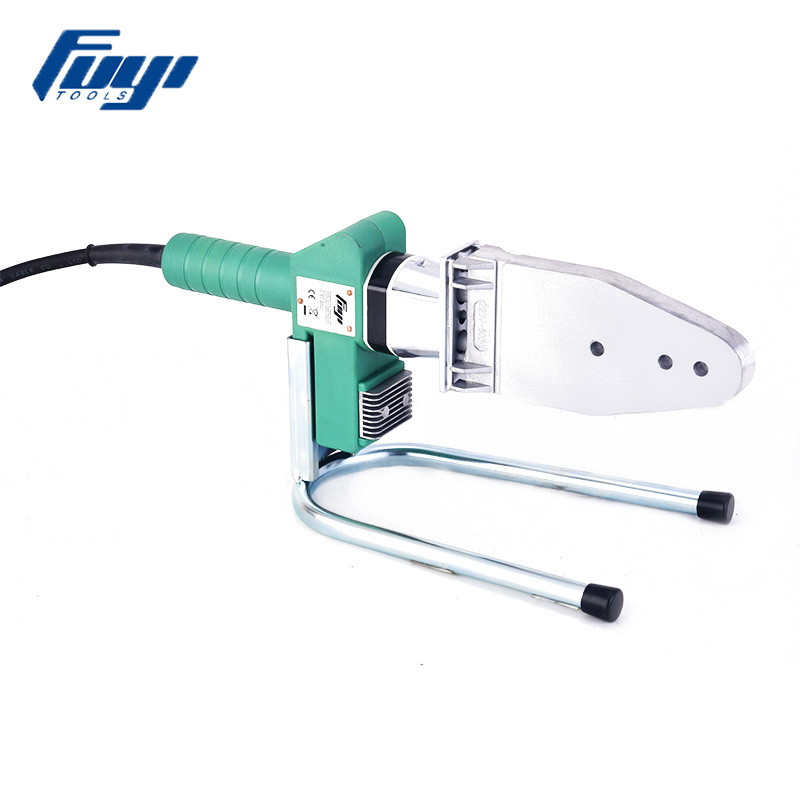
The best socket fusion welding machine for most jobs is a manual or semi-automatic unit rated for 20mm–125mm pipe diameters with adjustable temperature control between 180°C and 290°C — this range covers the vast majority of PE, PP, and PVDF pipe fusion work used in water supply, gas distribution, and industrial piping. The right machine for your project depends less on brand and more on three factors: pipe diameter range, heating plate accuracy, and clamping mechanism type.
Below, we break down the different machine categories available in 2026, the specs that actually matter, and how to match equipment to your project scale.
A socket fusion welding machine joins thermoplastic pipes and fittings by heating both the pipe's outer surface and the fitting's inner socket simultaneously using a heated plate, then pressing them together so the melted surfaces fuse into a single, continuous wall as they cool. Done correctly, the joint becomes stronger than the pipe itself, which is why this method is the industry standard for PE (polyethylene) gas and water pipelines up to 125mm in diameter.
The process relies on three controlled variables: heating plate temperature, heating duration, and joining pressure. A quality machine keeps all three within tight tolerances — this is where price and build quality differences actually show up in the field.
Machines are generally categorized by how much of the process is automated and what diameter range they're built for.
| Machine Type | Diameter Range | Operation | Best For |
|---|---|---|---|
| Manual Socket Fusion Machine | 20mm–63mm | Hand-operated clamping and pressure | Small residential plumbing, field repairs |
| Semi-Automatic Machine | 20mm–125mm | Motorized clamping, manual heating control | Commercial plumbing, mid-size projects |
| Fully Automatic Machine | 20mm–160mm | Programmable heating, pressure, and timing | Municipal gas/water lines, high-volume jobs |
| Portable Field Unit | 20mm–110mm | Battery or generator-powered, manual control | Remote installations, on-site repairs |
Most PE pipe fusion requires a heating plate temperature held within ±5°C of the target setting (typically 210°C–230°C for standard PE100 pipe). Machines with digital PID temperature controllers maintain this tolerance far more reliably than analog dial-controlled units, which can drift by 10–15°C under repeated use.
Machines typically come with a base unit plus interchangeable heating inserts and clamp jaws for different pipe sizes. Confirm the machine supports the full diameter range your project requires — buying a 110mm-capable machine for a project that occasionally needs 125mm fittings means a second purchase later.
Misaligned clamps are one of the leading causes of weak fusion joints in the field. Look for machines with self-centering, V-shaped clamp jaws that hold pipe and fitting coaxially during heating and joining, reducing the chance of an off-angle weld.
Non-stick PTFE-coated heating plates prevent melted plastic from sticking and tearing the joint surface during separation. Uncoated or worn plates are a common cause of inconsistent fusion quality and should be inspected or replaced regularly.
Workshop machines typically run on standard 220V/110V mains power, while field units may offer generator or battery operation. Confirm your job site has reliable power access before choosing a mains-only model.
Hangzhou Fuyi Tools Co., Ltd manufactures socket fusion welding machines covering manual, semi-automatic, and portable configurations across common diameter ranges used in plumbing, water supply, and gas distribution projects. When evaluating any supplier, request documentation on temperature control tolerance, clamp alignment design, and spare part availability — these three factors are the most reliable indicators of long-term weld quality and machine durability.